Breaking Barriers, Building Bridges: NISSI Foundation Again Restores Dignity, Renews Hope for Ekiti Elderly, Widows
By Yemi Olajutemu
In every society, the true measure of progress is not found solely in glittering infrastructure, economic indices or technological advancement. Rather, it is reflected in how the most vulnerable members of society are treated and among those who often bear the weight of neglect are the elderly and widows, people whose years of sacrifice and contribution have, in many cases, given way to loneliness, declining health, financial hardship and social exclusion.
While public attention frequently shifts toward these groups during election campaigns or festive celebrations, sustained care remains elusive. It is against this backdrop that the Nissi Foundation has emerged as a refreshing example of compassion translated into purposeful action.
On Sunday, July 26, 2026, the serene auditorium of RCCG Divine Assurance Parish, Ajebamidele, Ado Ekiti, became more than a place of worship. It transformed into a sanctuary of hope, healing and renewed human connection as scores of elderly people and widows gathered for the Nissi Foundation’s midyear outreach themed “Breaking Barriers, Building Bridges.”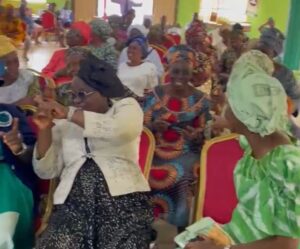
Far from being another routine charity event, the programme represented a carefully conceived intervention designed to restore dignity, improve health, strengthen emotional wellbeing and remind participants that they remain valuable members of society.
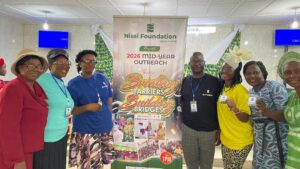 The symbolism embedded in the programme’s theme captured its broader philosophy. “Breaking barriers” spoke to dismantling the walls of neglect, isolation, poverty, grief and social discrimination that often surround elderly citizens and widows. “Building bridges” reflected the deliberate effort to reconnect generations, strengthen communities and foster partnerships capable of creating a more compassionate society. It was a message that resonated throughout every aspect of the day’s activities.
In her welcome address, the Founder and Convener of the Nissi Foundation, Dr. Oyeyemi Kayode Ojo, painted a sobering picture of the realities confronting many senior citizens across Nigeria. She observed that advancing age often comes with declining health, reduced income and weakening family support systems. For widows, she explained, the burden is frequently multiplied by emotional trauma, economic uncertainty and societal prejudice.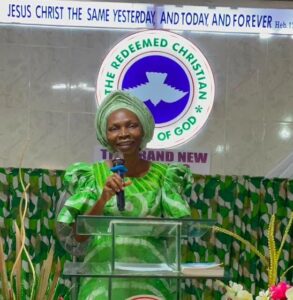
“Our elderly deserve far more than occasional sympathy,” she said. “Many have spent decades nurturing families, building communities and contributing to national development. Yet today, many face loneliness, poor healthcare and financial hardship. This outreach is our modest contribution toward restoring hope, dignity and a sense of belonging.”
Her remarks reflected an understanding that charity must extend beyond handouts. True compassion, she suggested, restores confidence, affirms human worth and rebuilds broken relationships.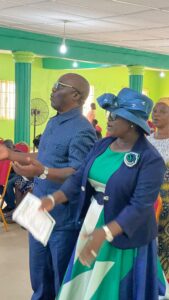
Unlike many outreach programmes that focus almost exclusively on material donations, the Nissi Foundation adopted a holistic approach that recognised the interconnected nature of physical, emotional and social wellbeing. Every segment of the programme was intentionally designed to address one or more of these dimensions, creating an atmosphere where beneficiaries felt genuinely seen, heard and appreciated.
One of the programme’s most impactful components was the provision of free health screening and wellness checks for every participant. In a country where rising healthcare costs continue to place preventive medical care beyond the reach of many elderly citizens, the initiative offered far more than routine examinations. For several beneficiaries, it provided the first opportunity in many months, and in some cases years, to receive comprehensive health assessments.
Leading the health education session, the Director of Nursing Services at Ekiti State Teaching Hospital, Dr. Stella Falana, emphasised that preventive healthcare remains one of the most effective strategies for promoting longevity and improving quality of life. She educated participants on common age related conditions, particularly hypertension and diabetes, stressing that early detection significantly increases treatment success.
She also encouraged healthy lifestyle choices by advising participants to drink adequate water, engage in regular physical exercise, reduce excessive sugar consumption and adopt healthier dietary habits. Her practical recommendations transformed the medical session from mere diagnosis into an opportunity for long term health education.
Yet the programme recognised that healthy aging extends beyond physical fitness. Emotional wellbeing occupied an equally important place throughout the event. In separate presentations, Pastor Taiwo Ajobiewe challenged participants to overcome emotional burdens that silently diminish quality of life.
Drawing from both biblical principles and practical life experiences, they encouraged participants to break the barriers of bitterness, resentment and unforgiveness while embracing forgiveness, gratitude and positive living. Healing, he reminded participants, begins not only with medicine but also with the willingness to release emotional burdens that weigh heavily on the heart.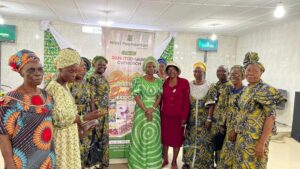
The conversations reflected growing recognition among healthcare professionals that loneliness and emotional isolation constitute significant public health concerns, particularly among older adults. Across the world, studies continue to associate chronic loneliness with increased risks of depression, anxiety, cardiovascular disease and cognitive decline. By creating opportunities for elderly participants to laugh together, exchange experiences and build friendships, the Nissi Foundation addressed one of the least discussed but most damaging aspects of aging.
The atmosphere throughout the programme reflected this philosophy. Conversations flowed freely, Smiles replaced anxiety, Strangers became companions particularly when a cultural troupe performed with traditional songs of praise and worship songs and a young saxophonist Aseyori Aluko did wonders through their ministration.
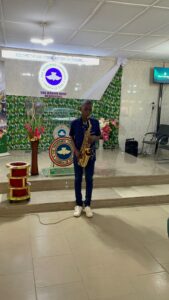 For several participants, the greatest gift was not the welfare package they received but the simple assurance that someone cared enough to spend time listening to them.
Equally significant was the distribution of carefully prepared welfare packages containing food items and everyday essentials. While modest in material value, these gifts carried profound symbolic importance. They eased immediate financial pressures while communicating a powerful message that the recipients had not been forgotten by society.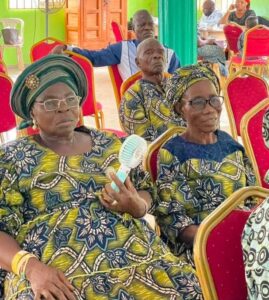
In today’s difficult economic climate, characterised by inflation, rising food prices and increasing healthcare expenses, elderly citizens and widows remain among the groups most vulnerable to economic shocks. Many survive on limited pensions, irregular family support or informal sources of income. Programmes such as this therefore serve not merely as acts of generosity but as vital community based support systems that complement existing social welfare efforts.
Speaking during the programme, Mr. Kayode Ojo, husband of the foundation’s founder, emphasised that honouring senior citizens must never be reduced to ceremonial gestures or annual celebrations, according to him, genuine respect for older people is demonstrated through consistent access to healthcare, companionship, emotional support and opportunities that preserve their dignity.
Also the NISSI foundation Programme Manager Mr Tope Ogundare noted that “Every elderly person represents decades of sacrifice, experience and wisdom,” he observed. “The least society can do is ensure they continue to live with dignity and hope.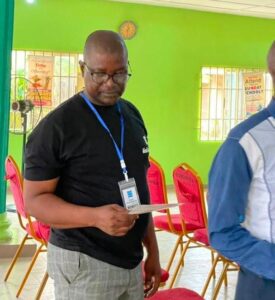
He stressed that aging should never be viewed as a burden but as a stage deserving honour, protection and appreciation.
“Every elderly citizen carries memories, knowledge and experiences that continue to enrich families and communities.”
For widows, the programme conveyed an equally important message of inclusion. Widowhood frequently brings emotional pain alongside economic vulnerability and social isolation. By intentionally recognising widows as a priority group, the Nissi Foundation affirmed not only their resilience but also their continuing relevance within society. The outreach became an opportunity to replace despair with encouragement and isolation with belonging.
Ultimately, Breaking Barriers, Building Bridges transcended the boundaries of a one day outreach. The foundation through it volunteers shared the responsibility of checking on one another among the participants. It became a compelling reminder that building a caring society requires collective responsibility. Governments, private organisations, faith communities, corporate bodies and ordinary citizens all have roles to play in ensuring that aging does not become synonymous with abandonment and that widowhood does not condemn individuals to lives of isolation.
The Nissi Foundation has demonstrated that meaningful social change does not always begin with billion dollar interventions or elaborate government policies. Sometimes, it begins with something far simpler: a medical check, a listening ear, an encouraging word, a shared meal, a welfare package and the sincere assurance that every life, regardless of age or circumstance, still matters.
As the beneficiaries departed with smiles on their faces, improved knowledge about their health and renewed confidence for the future, one message remained unmistakably clear. Compassion has the power to heal wounds that medicine alone cannot reach. By breaking barriers of neglect and building bridges of love, dignity and inclusion, those who spoke with our news correspondent said the Nissi Foundation has offered not just an afternoon of care but a timeless lesson in humanity.
It is a model of community service that deserves to be replicated across Nigeria, reminding us all that a society is ultimately judged not by how it treats its strongest members, but by how faithfully it cares for those who once carried its hopes on their shoulders.