Oluwasanmi lauds Oyebanji’s inclusive approach to 2027 budget preparation
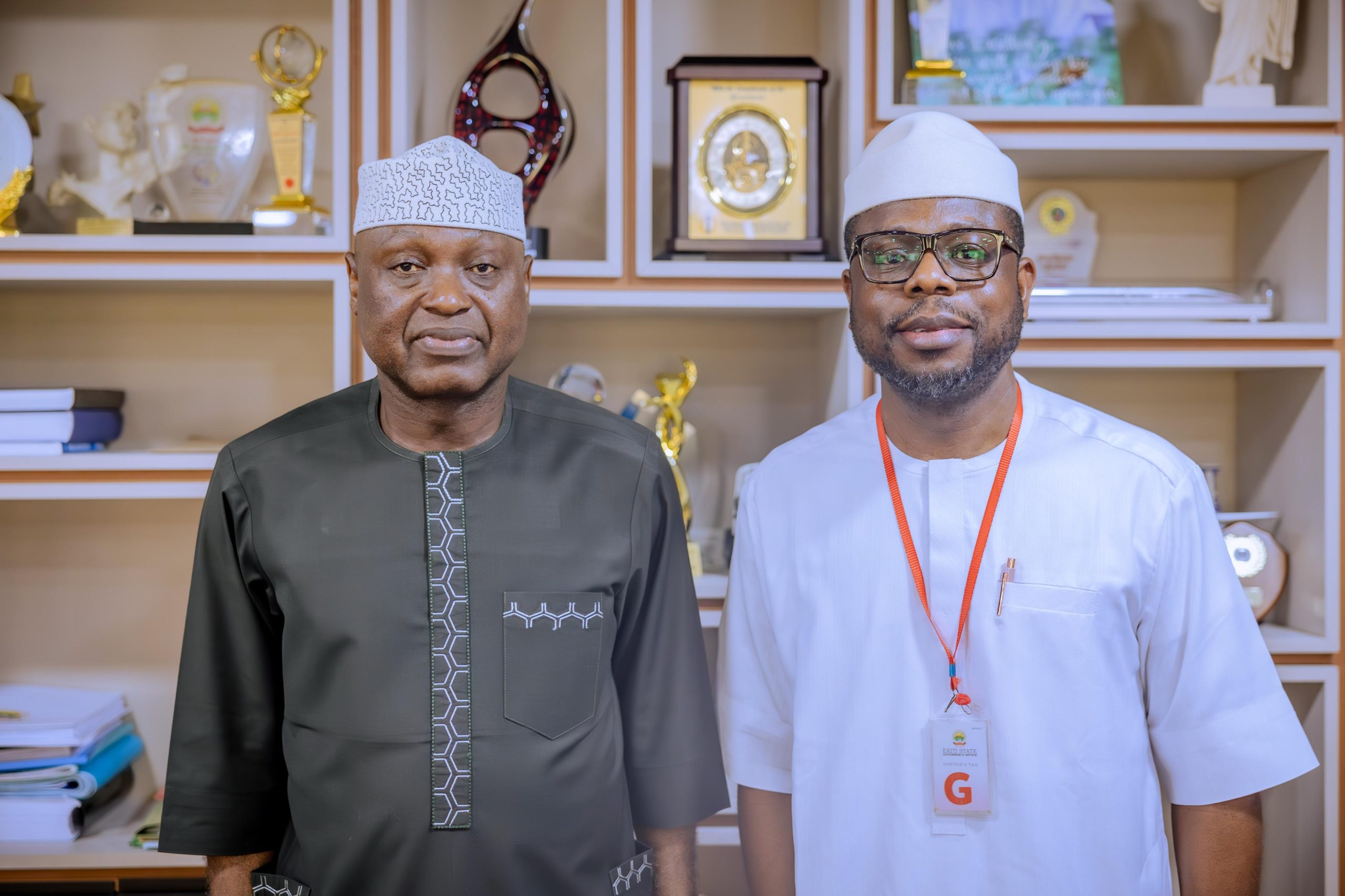
Pharmacist Adedayo Oluwasanmi, an indigene of Ode Ekiti, has commended Governor Biodun Oyebanji for adopting an open and inclusive approach to the preparation of the 2027 budget, describing the ongoing town hall meetings across the state as a demonstration of transparency, accountability and fiscal responsibility in governance.
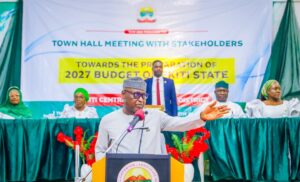 Oluwasanmi said the decision of the Governor to take the budget preparation process directly to the people was particularly significant because it creates an avenue for citizens to participate in determining the priorities that should receive government attention.
He said the initiative was evidence that the administration recognised that effective governance should involve continuous communication between government and the people rather than a one way flow of information from government to citizens.
According to him, the town hall meetings provide a structured platform through which communities can communicate their needs, explain the challenges affecting their economic and social activities and make suggestions on how scarce public resources should be deployed. He said such engagement would help government distinguish between perceived needs and genuinely pressing community priorities while strengthening public ownership of the budget.
 The Ode Ekiti indigene described the process as particularly important at a time when governments at all levels must exercise greater fiscal discipline and ensure that every naira committed to public projects produces measurable value for citizens. He said listening directly to the people before finalising budget priorities could help reduce waste, duplication and expenditure on projects that do not adequately address the needs of the communities they are intended to serve.
Oluwasanmi said the Governor’s emphasis on projects that would stimulate commerce, improve productivity and create an environment for sustainable business growth was also commendable. He noted that investments in roads, electricity, water, healthcare and security have implications beyond the provision of basic amenities, as they directly affect the capacity of farmers, artisans, traders, entrepreneurs and other residents to contribute to the state’s economy.
He stressed that transparency in governance should not end with the announcement of projects, but should extend to the identification of priorities, allocation of resources, implementation and eventual assessment of results. In this regard, he said the town hall meetings provide an important mechanism through which citizens can understand government priorities and subsequently hold the administration accountable for commitments made.
The pharmacist also commended the participation of traditional rulers, community leaders, youths and other stakeholders in the consultations, saying their involvement would give the budget a broader representation of the aspirations of Ekiti people. He said inclusive governance becomes more meaningful when citizens are not merely invited to listen to government but are given the opportunity to speak, make recommendations and receive feedback.
Oluwasanmi said the two way communication established through the town hall meetings could further strengthen trust between the government and the people, adding that citizens are more likely to identify with public policies when they understand how decisions are made and have opportunities to contribute to those decisions.
He therefore urged Ekiti residents and community leaders to take the consultations seriously by providing constructive and realistic inputs, saying the quality of the final budget would depend partly on the quality of information and priorities presented by the people themselves.
Oluwasanmi said the initiative represented an important step towards building a culture of accountable and participatory governance in Ekiti, adding that sustained engagement between government and citizens would help ensure that public resources are deployed prudently and that development programmes remain closely connected to the real needs of the people.