When Giving Truly Costs: The Weight of Sacrifice on the Giver and the Gift–By Oluwadamilola Adelowo
admin December 3, 2025
There are moments in life when an act of generosity appears meaningful on the surface, yet deep within, it falls short of what true sacrifice demands. I once experienced this personally after contributing a sizable amount to a church building project.
The pastor called repeatedly to express gratitude, and I felt satisfied until later that day when I sensed a quiet prompting in my spirit. It was clear and unsettling: what I had offered was not a sacrifice. It was only an expression of interest. That message shook me. I asked why, and the answer that came was simple but piercing; not all sacrifices are truly sacrifice.
The moment pushed me back to the story in 2 Samuel 24:24, where King David refused to offer to God anything that cost him nothing. David understood that sacrifice must come with a personal price. It cannot be convenient. It cannot be casual. It must draw something out of you, something you will feel. That principle reshaped my understanding of what it means to give meaningfully.
Sacrifice, at its core, is giving up something valuable for a higher purpose. It often comes with discomfort and loss. The word itself traces back to the Latin sacrificium, which means “to make sacred.” In other words, true sacrifice transforms. 
It carries weight. It costs. It sanctifies. When David rejected Araunah’s free materials for a burnt offering, he made it clear that a gift without a personal cost may be an offering, but it is not a sacrifice. And without sacrifice, the blessing attached to sacrificial giving cannot flow.
This distinction matters because many times we give from convenience, not from conviction. We offer what we can spare and call it sacrifice, but heaven does not record it as such. Sacrifice demands that we feel the stretch. When we give what costs us nothing, we have given a gift, yes, but not a sacrificial gift.
This truth becomes clearer when we understand that sacrifice goes beyond money. It includes time, energy, comfort, ambitions, and desires. Every seed we plant is not always financial. Sometimes the seed is service. Sometimes it is obedience. Sometimes it is yielding our own dreams for God’s bigger plan.
This principle appears vividly in the story of Abishag the Shunammite. She was a young woman with her own hopes, her own innocence, and likely her own dreams of a beautiful marriage. Yet she was chosen to serve King David in his old age, not as a wife, not as a queen, but as a caretaker and a warmer. It was a role without honor and without personal reward. She knew she would never experience marriage as she once imagined. She understood that her future would be permanently altered. Yet she stepped into that assignment. Her sacrifice was the surrender of her personal dreams for a purpose larger than her comfort.
Mary, the mother of Jesus, offers another profound example. She had plans, an upcoming marriage, a future with Joseph, and a life that probably looked simple and predictable. But the angel’s message changed everything. Accepting that divine assignment meant risking public shame, losing her reputation, and forfeiting her privacy. Yet she said yes. Her sacrifice opened the door for the birth of the Saviour who brought life to humanity.
At the heart of Christianity is the ultimate act of sacrifice, Jesus Christ giving up glory, power, and comfort to reconcile humanity with God. His entire mission was anchored in giving what was most precious: His life. Hebrews 9:22 reminds us that without the shedding of blood, there is no remission of sin. That sacrifice restored what the first Adam lost and opened a new chapter for humanity.
What becomes clear from these stories is that true sacrifice is always tied to glory. Philippians 2:8–11 shows that Jesus was exalted after He sacrificed. Sacrifice has a way of opening doors that ordinary giving cannot. It releases blessings that comfort cannot buy. But for an offering to carry that level of impact, it must cost something significant.
 The widow’s story in Mark 12:41–44 illustrates this beautifully. Many wealthy people gave large amounts, yet Jesus was unmoved by their gifts. They gave from abundance. They felt nothing. But the widow gave her last coins, her entire livelihood. Her giving carried weight because it came with pain, risk, and trust. Jesus called her the true giver because her offering had the substance of sacrifice.
Another striking example comes from the widow of Zarephath in 1 Kings 17:7–16. She was in a desperate situation, facing starvation with her son. Even then, she was willing to share her last meal with Prophet Elijah. Her sacrifice activated divine intervention. Her jar of flour and jug of oil did not run dry throughout the famine. When sacrifice meets faith, divinity steps in.
These stories remind us that sacrifice is not measured by size but by cost. It’s not about how much you give but how deeply the giving affects you. True sacrifice requires trust, the trust that what you release will be honored by the One you release it to.
Every act of sacrifice changes something inside us. It cleanses motives. It stretches faith. It aligns us with higher purposes. It invites divine response. When we sacrifice, we participate in a principle that has shaped destinies for generations.
In our daily lives, sacrifice might look like surrendering personal comfort to serve others. It might be choosing integrity when compromise seems easier. It might be waking up early to help someone in need. It might be giving when money is tight or offering time when your schedule is full.
True sacrifice always rearranges something. It requires choosing purpose over convenience. It asks us to look beyond ourselves and connect with what is sacred. And whenever we walk this path, something powerful happens: God responds. Blessings follow. Grace multiplies. Purpose becomes clearer.
The lesson is simple yet profound, when your giving has not cost you anything, it is not sacrifice. It is merely an offering. But when you give what stretches you, what pulls at your heart, what demands courage and trust, then heaven calls it sacrifice. And sacrifice never goes unrewarded.
About the Author:
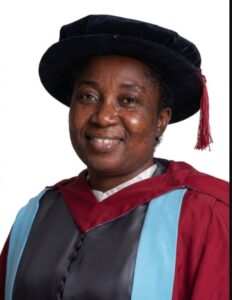
Mrs Oluwadamilola Adelowo works as an Admin Officer at the Prestigious Achievers’ University Owoh, Ondo State, Nigeria