Build Bridges Before You Need Them, Oyebanji’s Wife, Adubiaro, EKSU DVC, Adebayo, Richie Adewusi, Others Charge Emerging Leaders

The Wife of the Ekiti State Governor, Dr Olayemi Oyebanji, has urged aspiring and emerging leaders to deliberately cultivate strategic relationships, saying the quality of people around an individual can significantly influence personal fulfilment, leadership effectiveness and the capacity to contribute meaningfully to society.
She made the call in Ado Ekiti at a book review organised to mark the sixth edition of The Book Club at Peace House, an initiative of the Ekiti State Commissioner for Women Affairs and Social Development, Mrs Peju Babafemi.
The event, which brought together academics, public officials, professionals, policy makers, administrators, students, readers and members of the Book Club, centred on the 256 page, 17 chapter book, Cultivating Strategic Relationships: The Uncommon Advantages of Achieving Personal Fulfillment, written by Dr Gbenga Emiloju, a public administrator with the Ekiti State Universal Basic Education Board.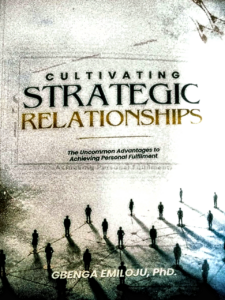
Beyond the review of the book, the gathering became a broader conversation on leadership, character, mentorship, human connections and the often underestimated influence of relationships in shaping individual careers, institutions and society.
Speaking through her Senior Special Assistant on Special Education and Advocacy, Dr Eunice Fasanmi, the First Lady said strategic relationships could help individuals build bridges, attract the right people to their aspirations and create networks capable of supporting personal, professional and organisational development.
She cautioned that genuine relationships should not be cultivated merely as a means of seeking favours when the need arises, stressing that enduring networks are built gradually through service, honesty, loyalty, trust, reciprocity and commitment to causes that promote the common good.
According to her, no individual, regardless of talent or position, succeeds entirely in isolation, as the journey to personal and professional fulfilment is often shaped by the contributions, encouragement and sacrifices of people within one’s network.
Drawing from the public life of Governor Biodun Oyebanji, the First Lady described him as an example of a leader whose career had demonstrated the long term value of strategic relationships, pointing to his journey from academia and his contributions to the creation and development of Ekiti State to his involvement in public administration and subsequent appointments as Special Assistant, Chief of Staff, Commissioner and Secretary to the State Government before becoming Governor.
She said the Governor’s relationships across different generations, institutions and social groups had helped him to understand the concerns of diverse sections of the state and build bridges across political, professional and community interests.
Dr Oyebanji maintained that such relationships had contributed to the administration’s ability to engage stakeholders, mobilise support and pursue its development agenda, while urging emerging leaders to begin early to position themselves among people whose values, knowledge and experience could positively influence their life journeys.
She stressed that the environment in which people operate and the company they keep could have profound consequences for their character, reputation, opportunities and eventual leadership trajectory.
The Governor’s wife also highlighted programmes and initiatives through which her office had sustained engagement with various segments of the population, including the Widow and Orphan Hope, WAOH, Initiative and youth engagement programmes, describing such engagements as important platforms for building trust and maintaining meaningful connections with the people.
She explained that effective leadership went beyond occupying public office or acquiring titles, noting that leaders must develop the capacity to work with people, earn their confidence, listen to different perspectives and sustain partnerships capable of producing collective results.
Reviewing the book, the Deputy Vice Chancellor of Ekiti State University, Professor Williams Adebayo, described the publication as timely and relevant to contemporary leadership challenges, commending the author for drawing from his experience as a seasoned administrator, inspirational speaker and mentorship expert.
Adebayo identified character, intentionality, dependability, trust and the deliberate choice of networks as critical ingredients for building relationships capable of producing personal and professional growth.
He challenged participants to move beyond merely reading the book and apply its lessons to their everyday relationships, careers, organisations and leadership responsibilities, stressing that knowledge becomes valuable when translated into action.
Also reviewing the book, a former Commissioner for Women Affairs, Mrs Fola Richie Adewusi, urged participants, particularly emerging leaders, to pay careful attention to the people they associate with, noting that relationships could either strengthen an individual’s values and reputation or gradually undermine them.
Adewusi illustrated the practical value of enduring relationships with an account of her longstanding relationship with former Governor Kayode Fayemi, explaining that their relationship, which began during their school days in the old Ondo State and continued when they served together as National Youth Service Corps members in Sokoto State, eventually contributed to the confidence reposed in her competence when she was appointed a commissioner in Ekiti State.
Her experience, she suggested, demonstrated that relationships built on trust, character and mutual respect could remain valuable long after the immediate circumstances in which they were formed had changed.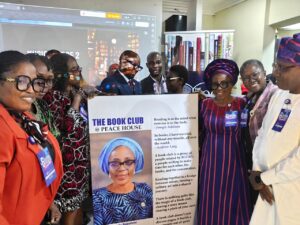
The convener of The Book Club, Mrs Peju Babafemi, said the initiative was established out of a desire to revive the reading culture and provide a platform where people could engage critically with books and ideas capable of influencing personal and societal development.
Babafemi argued that reading remained an important pathway to producing informed, reflective and responsible citizens, particularly at a time when young people were increasingly exposed to competing sources of information and rapidly changing social values.
She said a society seeking sustainable development must invest not only in physical infrastructure and economic opportunities but also in the intellectual and moral development of its people.
Speaking on the quality of relationships, the husband of the convener, Pastor Ola Babafemi, cautioned against measuring the value of relationships by the number of contacts an individual has accumulated.
He stressed that the strength of a relationship was better determined by its quality, trust and reciprocity, noting that strategic relationships require mutual commitment and should create value for all parties rather than becoming one sided arrangements.
The Secretary to the Ekiti State Government, Professor Habibat Adubairo, who wrote the foreword to the book, also commended the author and the convener for using literature and intellectual engagement to promote personal development and leadership values.
Adubairo, who spoke about her longstanding relationship with Babafemi, said their relationship had endured for about 24 years, describing it as an example of how trust, loyalty and mutual respect could sustain meaningful relationships over several stages of life.
She used the occasion to challenge women, particularly those occupying positions of authority and leadership, to embrace humility, lift others, demonstrate loyalty and build relationships wisely rather than allowing power or status to create distance between them and the people around them.
The Secretary to the State Government also encouraged citizens to take advantage of the connectivity offered by social media and the opportunities provided by Artificial Intelligence to strengthen relationships, while warning against the misuse of technology in ways that could erode moral values, human dignity and respect for others.
The Director General of the Bureau of Public Orientation and Citizenship, Mrs Olawumi Famuyiwa, also commended Babafemi and Emiloju for creating a platform that promotes reading, knowledge sharing and conversations around leadership and societal development.
Famuyiwa, who spoke from the perspective of her longstanding relationship with the convener, recalled that she had known Babafemi for several decades and had served as her chief bridesmaid, describing the enduring relationship as evidence that meaningful human connections can survive changing circumstances and different stages of life.
For the author, Dr Gbenga Emiloju, the book was inspired largely by experiences from his personal journey and his observations about the influence of relationships on individuals, organisations and society.
Emiloju explained that not all relationships occupy the same place in a person’s life, using the distinction between relationships that can be easily discarded and those that become inseparable parts of one’s life.
He likened some relationships to clothes that can be worn and removed when they no longer serve a purpose, while describing others as being like the human arms, stressing that losing them could leave a lasting and painful gap in one’s life.
The author, who described the book as the ninth publication to his credit, said it was written to speak to individuals, organisations and society about the importance of building relationships that are founded on values, trust and mutual contribution.
He maintained that the quality of relationships people cultivate can significantly influence their ability to achieve meaningful goals, overcome challenges and contribute to sustainable development.
Participants at the event, including the Permanent Secretary in the Ministry of Women Affairs, Mrs Olushola Femi Adeluyi, Dr Yemisi Afolabi; the Permanent Secretary, Cabinet and Special Services, Mrs Oyeyemi Kayode Ojo; Mrs Yetunde Kolawole of the Ministry of Justice; Mrs Dunni Ayeni; Mr O’seun Ogunsakin; members of The Book Club and mentees of Babafemi, also shared personal testimonies about Babafemi’s commitment to maintaining relationships across generations and her contributions to the development and advancement of people around her.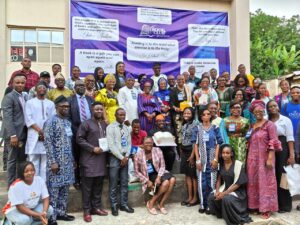
The testimonies provided practical illustrations of the central argument of the book: that strategic relationships are not simply about establishing contacts, but about investing in people, sustaining trust and creating networks through which knowledge, opportunities, mentorship and collective action can flow.
The book review consequently became more than a literary gathering. It provided a meeting point for scholarship, public service and personal experience, while drawing attention to the human dimension of leadership and the role of character, trust, reciprocity, collaboration and sustained relationships in transforming individual aspirations into collective achievements.